
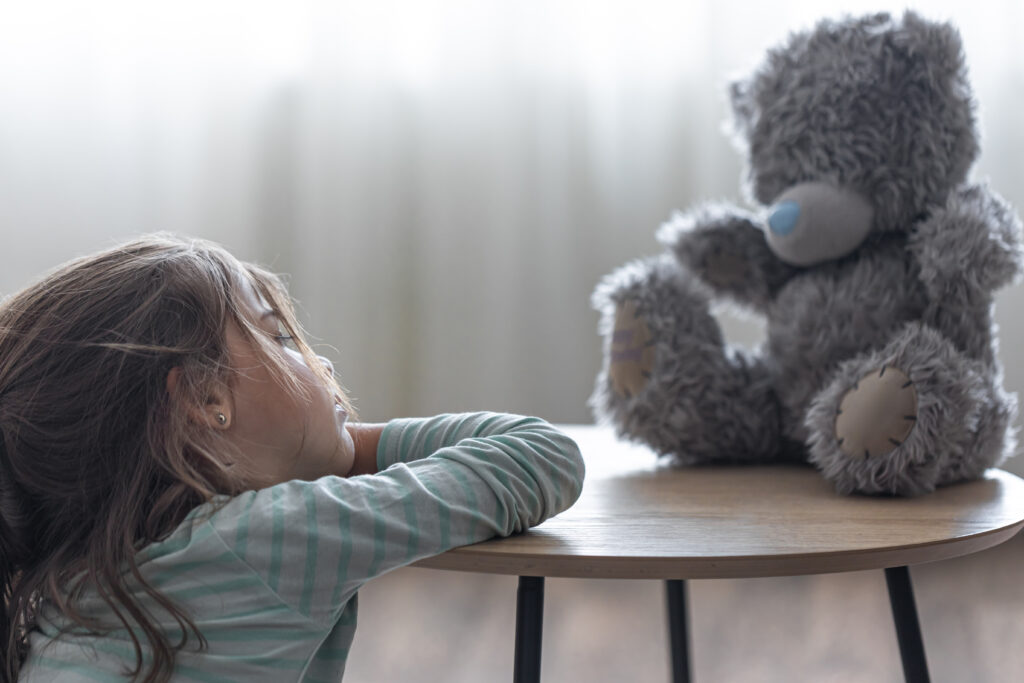
What is Childhood Anxiety?
Childhood anxiety is a common mental health condition. It affects many children and can impact daily life. Children with anxiety often feel worried or fearful, even when there is no clear reason. Because anxiety can look different in each child, it is important for parents and caregivers to know the signs. Early support can help children manage their feelings and grow up healthy.
Common Symptoms of Childhood Anxiety
Children may show anxiety in many ways. Sometimes, the signs are easy to miss. However, knowing what to look for can help you spot child anxiety symptoms early. Here are some common signs:
For example, a child may refuse to go to school because of fear. Or, they may complain of feeling sick before certain events. If these symptoms last for weeks or interfere with daily life, it may be time to seek help.
Causes and Risk Factors
There is no single cause of childhood anxiety. Instead, several factors can play a role. For instance, genetics can make some children more likely to feel anxious. Additionally, stressful life events, such as moving or family changes, can trigger anxiety. Sometimes, children learn anxious behaviors from parents or caregivers. Other risk factors include:
Because each child is unique, the reasons for anxiety can vary. Understanding these causes can help parents support their children better.
How Childhood Anxiety is Diagnosed
Diagnosing childhood anxiety involves several steps. First, a doctor or mental health professional will talk with the child and family. They may ask about symptoms, daily routines, and any recent changes. Sometimes, teachers or caregivers are also asked for input. In addition, the doctor may use questionnaires or checklists to understand the child’s feelings. There are no lab tests for anxiety, but a physical exam can rule out other causes. Early diagnosis helps children get the right support quickly.
Effective Treatment Options
Treating childhood anxiety often involves a mix of approaches. The most common treatments include:
Because every child is different, treatment plans should be tailored to their needs. According to the CDC, therapy is often the first step. However, combining therapy with family support can be very effective.
Tips for Parents and Caregivers
Supporting an anxious child can feel challenging. Yet, there are many ways parents and caregivers can help. Here are some tips:
Moreover, staying patient and positive can make a big difference. If you notice ongoing anxiety, seek help from a pediatric specialist.
Prevention and Early Intervention
While it is not always possible to prevent childhood anxiety, early action can help. For example, teaching children coping skills early can reduce future problems. Also, creating a safe and supportive home helps children feel secure. If you notice early signs of anxiety, talk to your child and seek guidance. Early intervention can prevent anxiety from becoming more serious.
In summary, childhood anxiety is common but treatable. With the right support, children can learn to manage their worries and thrive. Consult Ashwini Kumar at Sparsh Children Hospital for personalized guidance on childhood anxiety.