Introduction
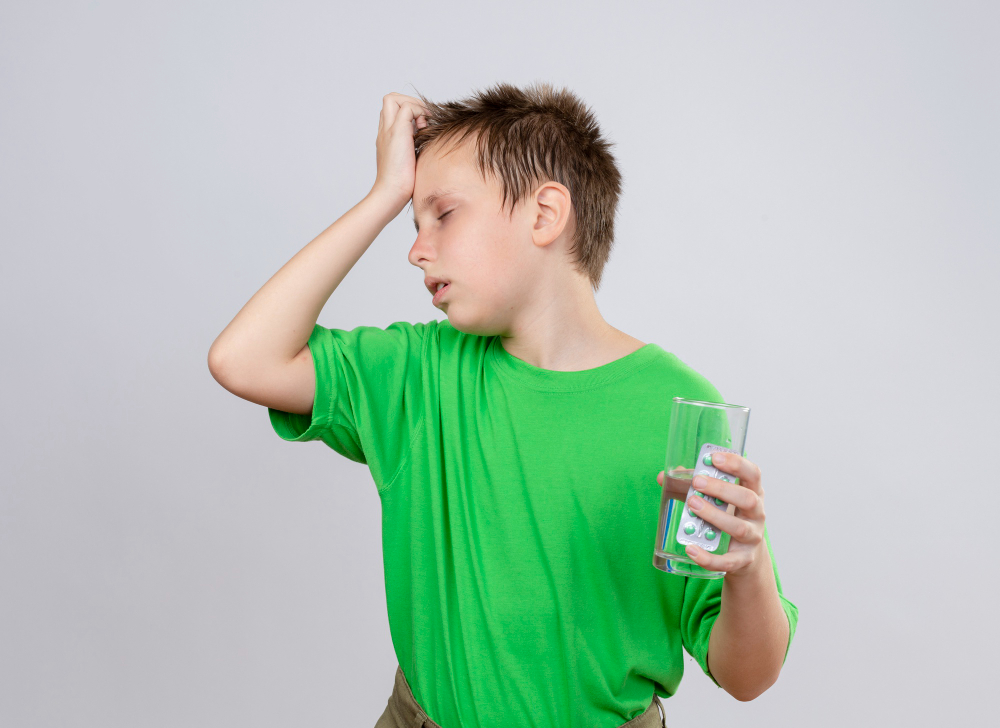
Dehydration in kids can happen quickly, especially during hot weather or illness. Because children are more vulnerable, knowing dehydration in kids preventive tips is vital for every parent. When kids lose more fluids than they take in, their bodies cannot work well. Therefore, preventing dehydration helps keep your child healthy and active. In this blog, you will learn what dehydration is, its causes, warning signs, and the best ways to prevent it.
What is Dehydration in Kids?
Dehydration means the body does not have enough water to function properly. In children, this can happen faster than in adults. Since kids have smaller bodies, they lose water more quickly. Also, their bodies may not signal thirst as clearly. Even mild dehydration can affect your child’s mood, energy, and health. According to the CDC, dehydration can be serious if not treated early.
Common Causes of Dehydration in Children
Many things can lead to dehydration in kids. Some causes are more common during certain seasons or illnesses. For example, hot weather increases fluid loss through sweat. But illness can also play a big role. Here are some frequent causes:
Because children may not always ask for water, parents should watch for these risk factors.
Signs and Symptoms Parents Should Watch For
Early signs of dehydration can be easy to miss. However, knowing what to look for helps you act quickly. Some symptoms may appear mild at first, but they can worsen fast. Watch for these signs:
If you notice any of these, offer fluids right away. But if symptoms get worse, seek help.
Effective Preventive Tips for Dehydration in Kids
Prevention is always better than cure. Therefore, following simple steps can help keep your child safe from dehydration. Here are some effective preventive tips:
Because every child is different, adjust these tips to suit your child’s needs and your local climate.
When to Seek Medical Help
Sometimes, dehydration can become severe. In these cases, home care may not be enough. You should seek medical help if your child:
Early treatment can prevent serious complications. Therefore, do not wait if you are concerned.
Conclusion
In summary, dehydration in kids can be prevented with simple daily habits. Encourage regular water intake, watch for warning signs, and adjust care for your climate. If you notice any severe symptoms, act quickly. Consult a pediatrician at Sparsh Children Hospital for personalized advice on preventing dehydration in your child.