What is a Cerebral Aneurysm in Children?
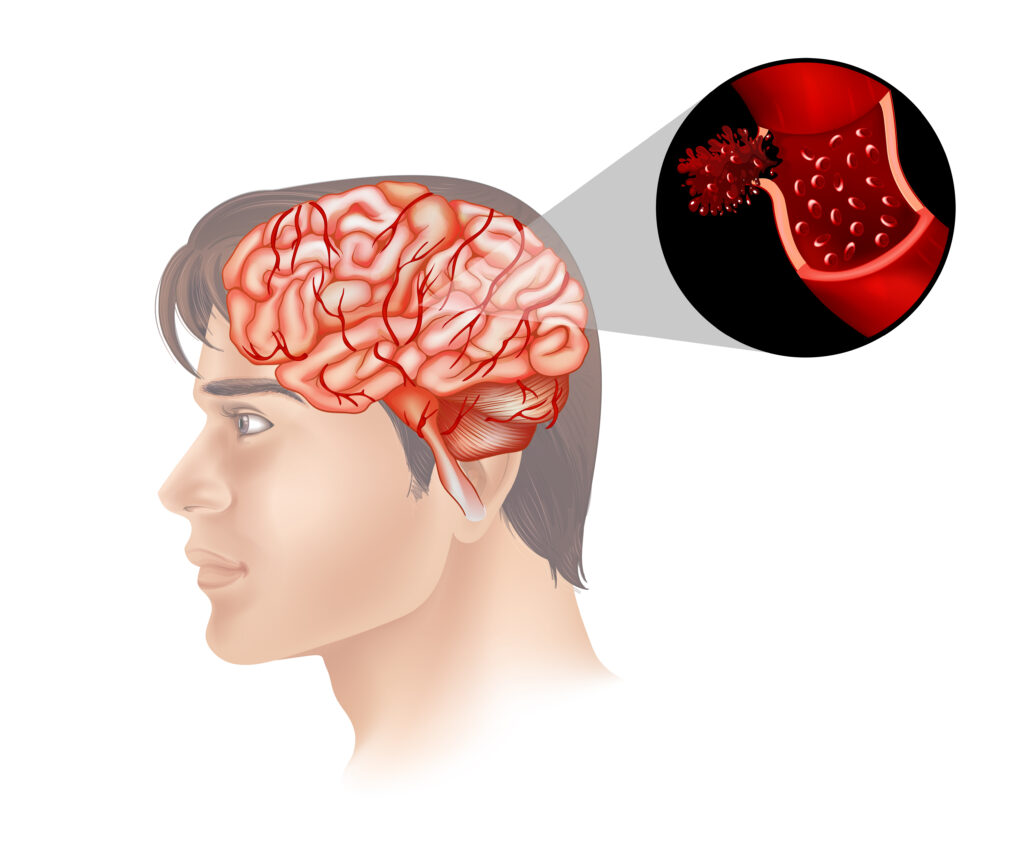
A cerebral aneurysm in children is a weak spot in a blood vessel in the brain. This spot can bulge or balloon out. Sometimes, doctors call it a pediatric cerebral aneurysm or brain aneurysm in kids. Although rare, it can be serious. If the aneurysm bursts, it may cause bleeding in the brain. This is a medical emergency. In the United States, cerebral aneurysms are more common in adults, but they can happen in children too. Early detection and treatment are important for the best outcome.
Common Symptoms
Many children with a cerebral aneurysm may not have symptoms at first. However, some signs can appear if the aneurysm grows or leaks. For example, you may notice:
Sometimes, symptoms appear quickly. But in other cases, they may develop slowly. If your child has any of these signs, seek medical help right away.
Causes and Risk Factors
Doctors are still learning why cerebral aneurysms form in children. However, some causes and risk factors include:
In addition, some children are born with weak blood vessel walls. This can make aneurysms more likely. While most cases are not linked to lifestyle, knowing your family history can help.
How Cerebral Aneurysms are Diagnosed
Doctors use several tests to find a cerebral aneurysm in children. First, they may ask about symptoms and family history. Next, they may order imaging tests, such as:
These tests help doctors see the blood vessels in the brain. Sometimes, they use a dye to make the vessels clearer. Early diagnosis can help prevent serious problems.
Treatment Options for Children
Treatment for a pediatric cerebral aneurysm depends on its size, location, and risk of bursting. Doctors may suggest:
Each child is different. Therefore, doctors will choose the safest and most effective treatment. In many cases, a team of specialists will work together to plan care.
Prevention and Lifestyle Tips
While you cannot always prevent a cerebral aneurysm in children, some steps may help. For example:
Early action and healthy habits can lower risks and support your child’s well-being.
When to See a Doctor
If your child has a sudden, severe headache or other symptoms listed above, seek medical care right away. Even if symptoms seem mild, it is better to be safe. Early treatment can save lives and prevent long-term problems. Additionally, if you have a family history of brain aneurysms, talk to your doctor about screening options for your child.
In summary, cerebral aneurysm in children is rare but serious. If you suspect your child may have symptoms of a cerebral aneurysm, consult a pediatric specialist for personalized guidance.