
Introduction
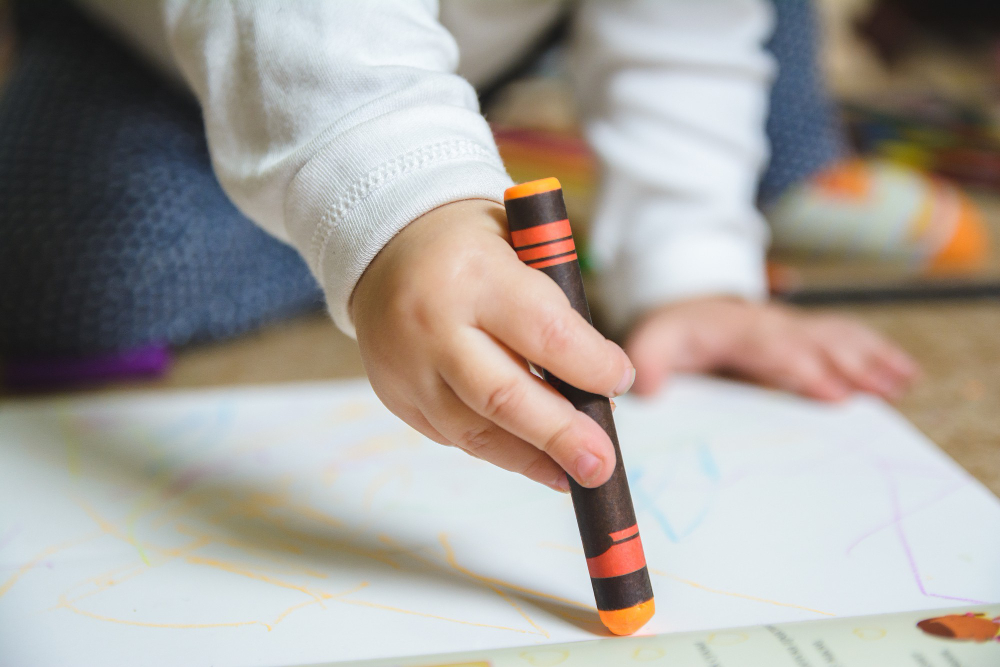
Fine motor skills in preschoolers are small movements using the hands and fingers. These skills help children do daily tasks like holding a crayon, buttoning a shirt, or using scissors. Because fine motor skills are important for hand-eye coordination and early writing, parents and caregivers should pay close attention to their child’s progress. When children build strong fine motor skills, they gain confidence and independence. According to the CDC, these skills are key for school readiness and self-care.
Signs of Developing Fine Motor Skills
Preschoolers show many signs as their fine motor skills grow. For example, you may notice your child:
As children grow, these milestones show their hand-eye coordination and early writing skills are on track. However, every child develops at their own pace.
Causes of Delayed Fine Motor Development
Sometimes, children may show delays in fine motor skills. There are several common reasons for this. For instance, some children have weak hand muscles or low muscle tone. Others may have trouble with hand-eye coordination. In some cases, medical conditions or developmental disorders can affect progress. Limited practice or lack of play with small objects can also slow development. If you notice ongoing delays, it is important to talk with a pediatrician.
Activities to Improve Hand-Eye Coordination
Many fun activities can help boost hand-eye coordination in preschoolers. Not only do these games support learning, but they also keep children engaged. Try these simple ideas at home:
Because these activities are easy to set up, you can add them to your child’s daily routine.
Activities to Support Early Writing Skills
Early writing skills are important for preschoolers. With regular practice, children can improve their grip and control. Here are some fun exercises:
Because these activities are enjoyable, children often want to practice more.
Tips for Parents and Caregivers
Supporting fine motor development at home is simple with a few helpful tips:
Because every child is unique, be patient and supportive as they learn.
Prevention and Early Intervention
Early support can prevent bigger challenges later. If you notice your child struggles with fine motor activities, do not wait to seek help. For example, talk with your child’s doctor or an occupational therapist. These professionals can suggest special exercises or therapies. According to the American Occupational Therapy Association, early intervention leads to better outcomes. In some cities, local resources and support groups are available for families. Therefore, reaching out early can make a big difference.
Conclusion & Call-to-Action
Fine motor skills in preschoolers are key for hand-eye coordination and early writing. With daily practice and support, most children improve over time. However, if you have concerns about your child’s progress, consult a occupational therapist Ashwini Kumar. They can offer personalized advice and help your child reach their full potential.